Premium Open-Source Autodialer for Business Calling, CRM and Omnichannel Growth
A premium open-source autodialer is not just about dialing. This guide explains how MYLINEHUB combines calling, CRM, AI, omnichannel communication, data ownership, and operational flexibility for growing businesses.
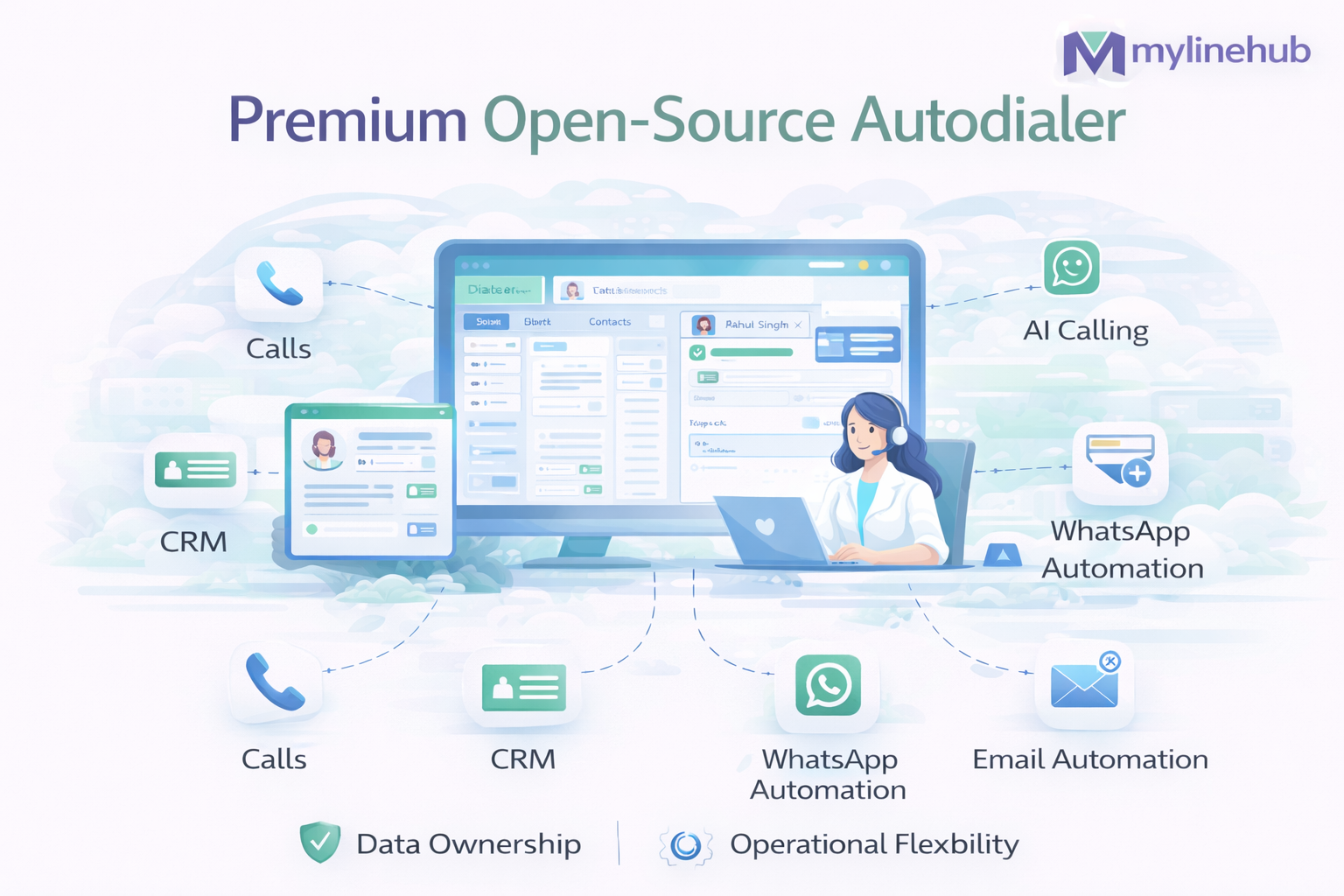
Below is a quick demo of a premium open-source autodialer + CRM built for real business operations: calls, WhatsApp, email, AI-assisted communication, and omnichannel workflows in one system.
Many people hear the word autodialer and think only about outbound calling. But modern teams need much more than that. They need a system that can manage leads, automate follow-ups, support multiple communication channels, track team activity, and still remain flexible enough to fit their own business process.
That is where a premium open-source platform becomes powerful. It is not only a dialer. It becomes a business communication layer connecting agents, customers, campaigns, CRM data, automation, and reporting in one coordinated operational stack.
🎬 Watch the demo first
The thumbnail below opens the product demo directly inside the website in a modal. This keeps the reader on your site while still allowing a full product walkthrough experience.
If you are evaluating calling software for your business, it is useful to watch the demo first and then continue with the detailed explanation below. That way, the feature sections that follow will make more practical sense.
Click the preview to open the video. The player opens in a cleaner modal, starts automatically, and supports fullscreen.
🚀 Why this is not “just an autodialer”
A basic autodialer only helps you place calls faster. A business-ready system has to handle the full journey:
- a lead comes from an ad, website, WhatsApp, or offline campaign
- a team member sees context inside CRM before speaking
- the system triggers a call or follow-up task
- the outcome gets recorded properly
- the customer can be moved to WhatsApp, email, or another workflow
- managers can measure campaign performance and team productivity
That is why this platform should be understood as a communication operations system, not a single-purpose dialer. It is built to support growing businesses that need structured outreach, disciplined follow-up, better team coordination, and long-term control over their communication stack.
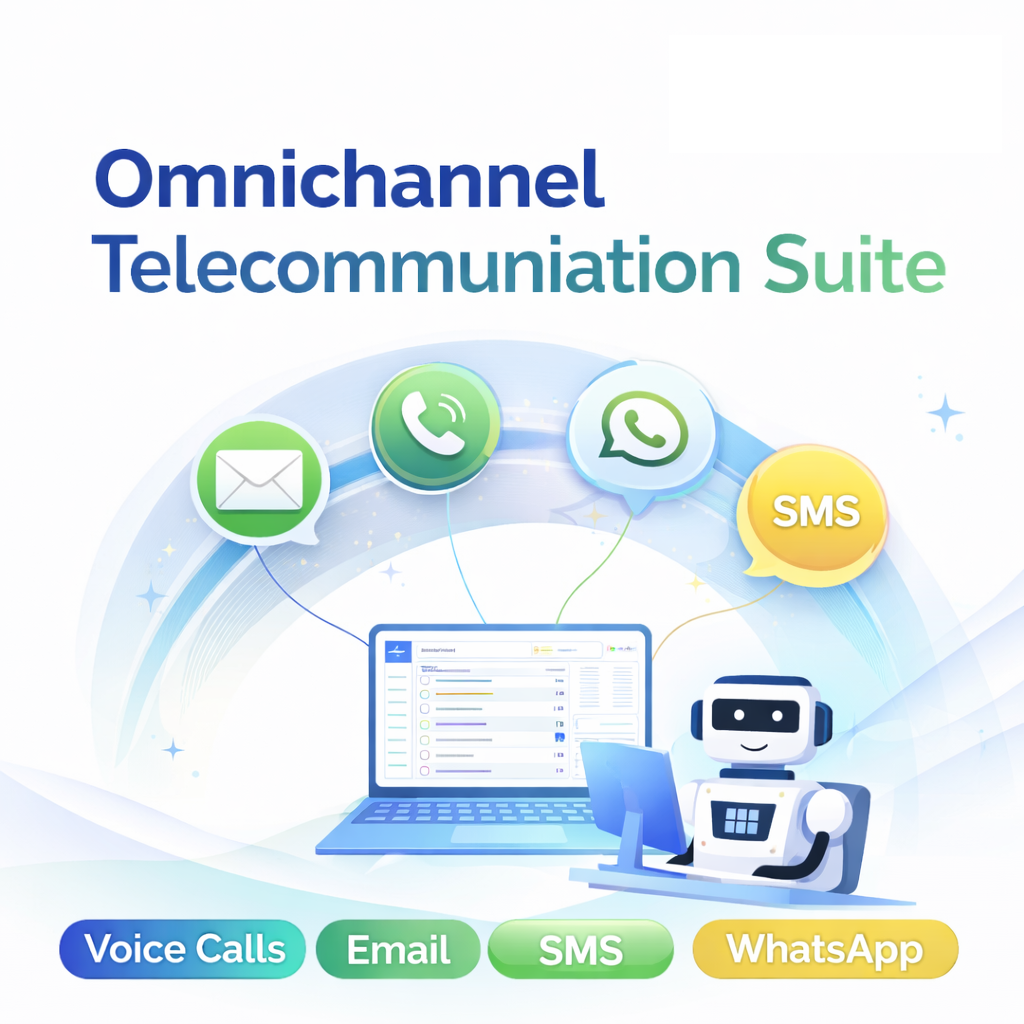
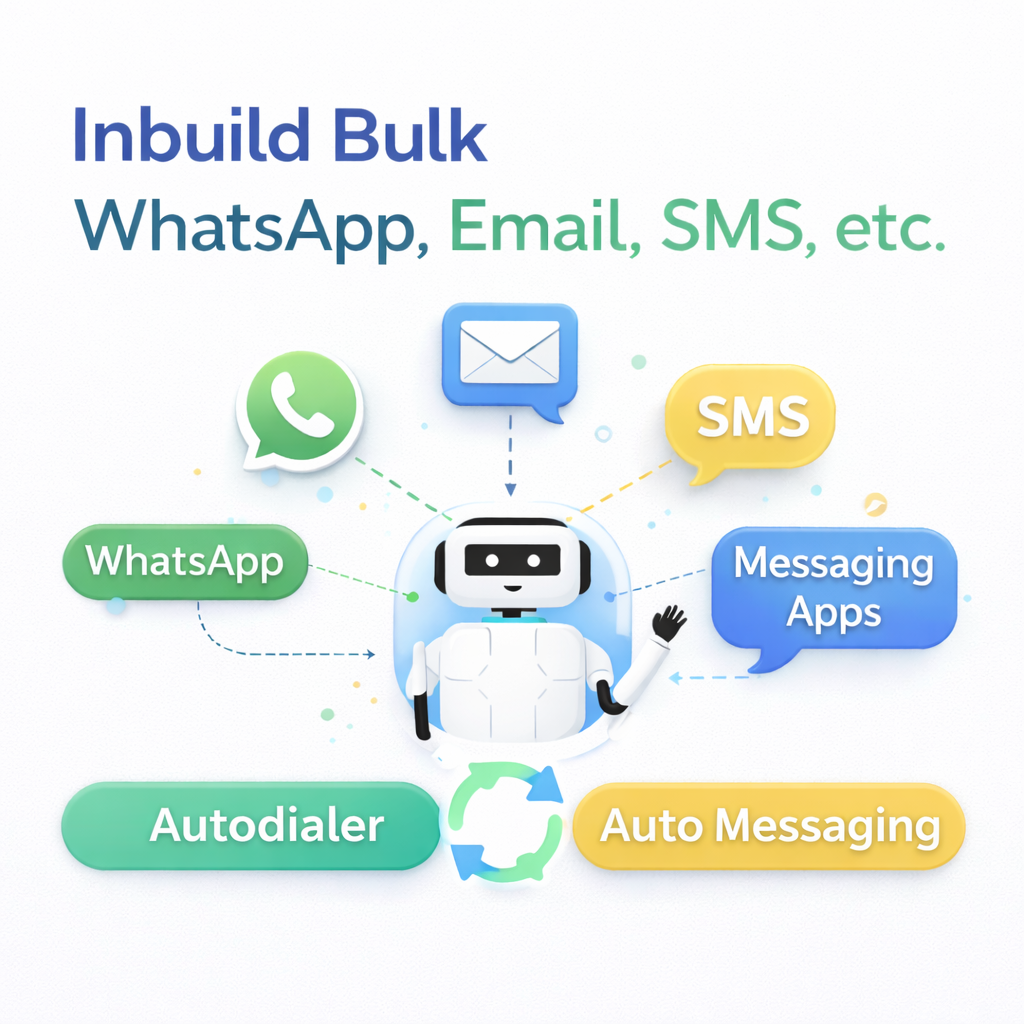
The image above represents this shift clearly: the platform is not limited to voice. It sits at the center of multiple channels and makes them usable inside one operational system. That matters because most businesses do not lose opportunities due to lack of calling alone; they lose them because the complete follow-up process is fragmented.
🌐 Omnichannel means your business does not live on calling alone
A real business rarely communicates through one channel only. One customer may respond better to a phone call, another to WhatsApp, and another to email. If teams have to jump between disconnected tools, productivity drops and customer context gets lost.
An omnichannel platform solves this by letting communication stay connected to the same workflow. This means your team can:
- call a lead from the same system where the lead record exists
- send WhatsApp updates without exporting data elsewhere
- automate email follow-ups after call outcomes
- see customer interaction history in one place
- build campaign logic that works across channels
This is one of the biggest differences between a traditional calling tool and a serious communication platform. The system is designed around continuity of customer interaction, not only around agent dialing speed.
📞 AI calling can reduce repetitive calling work
In many businesses, the first conversation is repetitive: basic qualification, verification, reminder, scheduling, data collection, or simple FAQs. That is where AI calling becomes useful.
Instead of assigning every repetitive interaction to human agents, AI can handle first-touch or structured workflows, while human teams focus on high-value conversations.
Business use cases:
- lead qualification before sales transfer
- interview screening and candidate data collection
- appointment reminders and confirmation
- payment reminder flows
- feedback and verification calls
This does not mean human teams disappear. It means repetitive effort goes down and agent productivity goes up. In growing teams, that difference becomes financially significant, because the business stops spending high-value human time on low-value repetitive tasks.
📧 AI email and automated email workflows matter too
Many businesses still depend heavily on email for quotations, onboarding details, confirmations, proposal sharing, reminders, and post-call follow-up. If your calling system does not connect to email operations, your team ends up managing half the process manually.
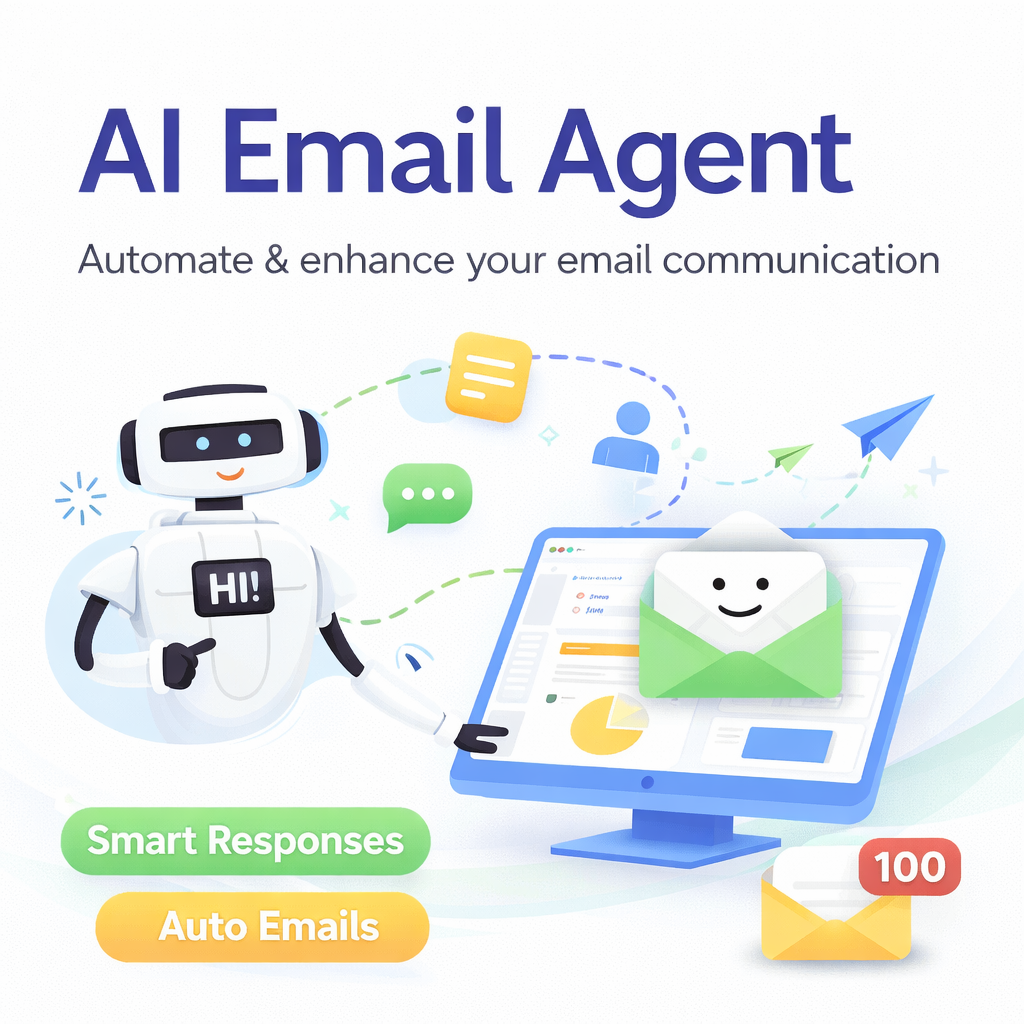
Connected email workflows can help with:
- sending next-step details after a call
- lead nurturing sequences
- onboarding documents
- proposal and pricing communication
- agent productivity through templated or AI-assisted responses
This is particularly valuable for businesses where conversions do not happen in one call. In many sectors, the real sale happens only after documents, pricing, reminders, and trust-building messages are sent. A communication platform that connects calls and email creates much cleaner handoffs.
📣 Bulk communication is useful when done in a structured way
Outreach is not always one-to-one. Sometimes teams need to contact many customers at once for reminders, campaign announcements, updates, or re-engagement. A platform that supports bulk workflows across multiple channels can reduce operational effort significantly.
Examples:
- admissions teams sending admission alerts to a lead pool
- clinics sending camp reminders
- finance teams sending EMI reminder flows
- support teams announcing maintenance windows
- sales teams reactivating inactive leads
The real value appears when bulk communication is tied back to CRM context, not sent from a disconnected tool. That way, teams can see who received what, who engaged, and which next action should happen automatically.
🔌 Your frontend or custom software can still stay in control
Some organizations do not want to depend entirely on a fixed front-end. They may already have their own CRM, website, customer portal, or internal operations application. In that case, a strong telecom platform should also behave like a control layer that your own software can connect to.
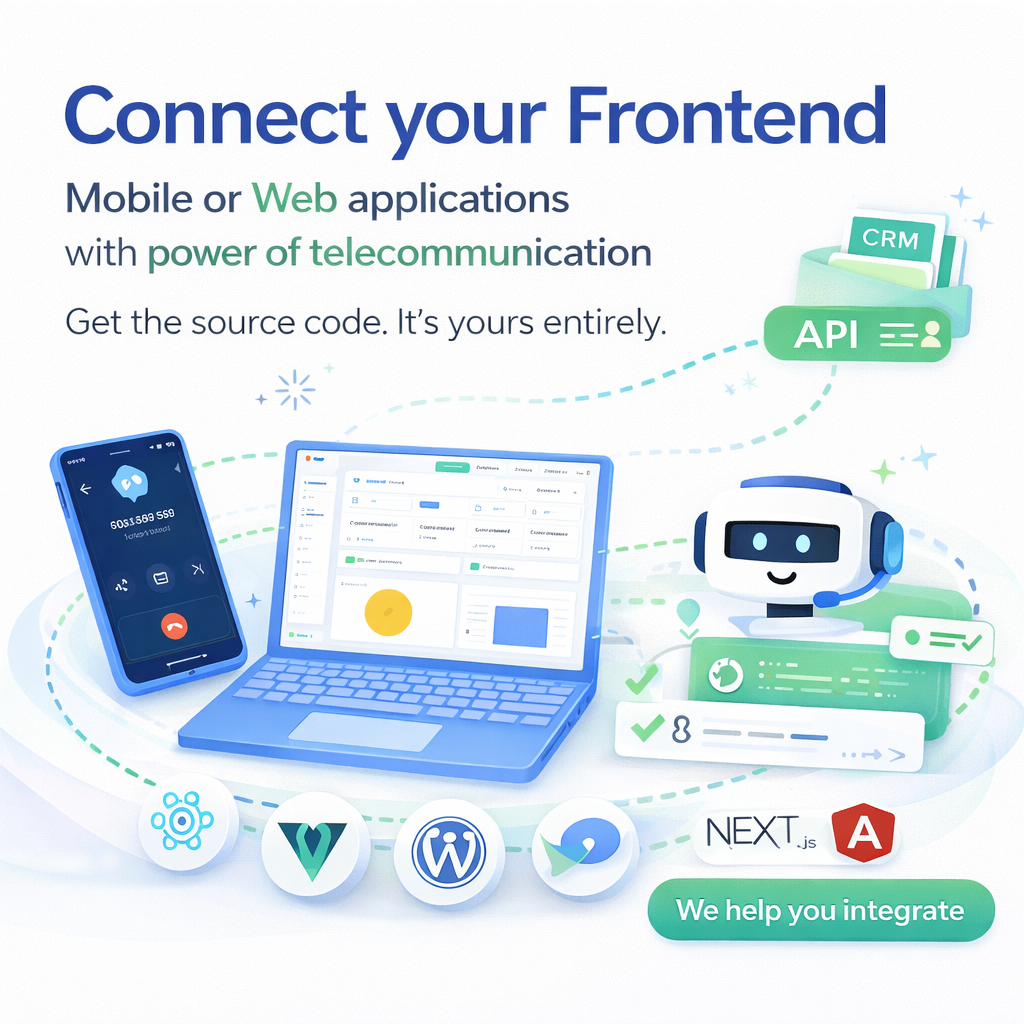
This makes it possible to:
- build custom booking or lead forms that trigger calling workflows
- embed communication features into your own app
- use your own UX while telecom stays structured underneath
- avoid rebuilding telecom logic from scratch
This is especially useful for SaaS builders, agencies, startups, and businesses with their own internal systems. Instead of abandoning their existing software stack, they can extend it with telecom capabilities.
👥 Multi-user interaction is critical for real teams
Business communication is rarely handled by one person. Sales, support, supervisors, managers, and admins all interact with the same lead or customer journey differently. A proper platform must support multi-user workflows.
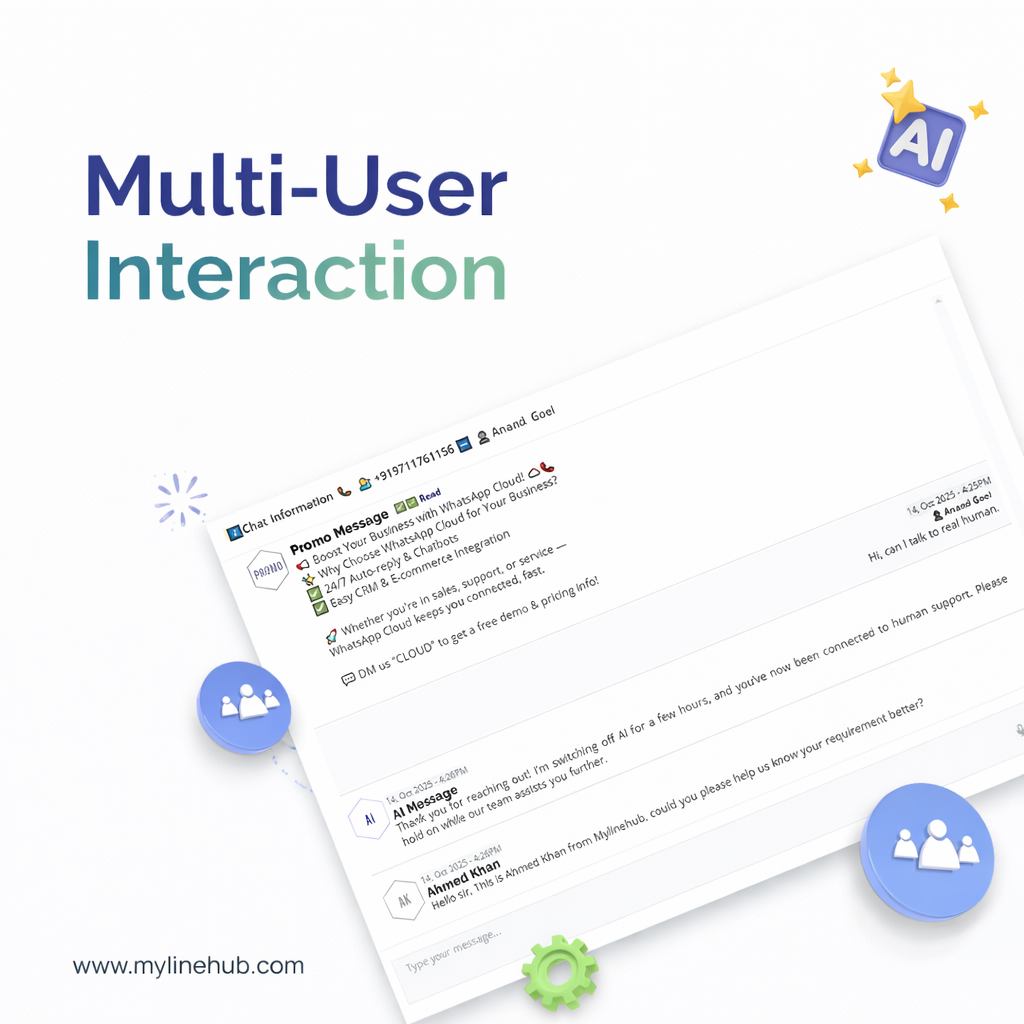
That means:
- different roles can access different parts of the process
- team handoffs are cleaner
- managers can review activity centrally
- supervisors can monitor operations without breaking workflows
- distributed teams can work from a single shared system
For businesses growing beyond a single desk or founder-led calling, this becomes very important. Once teams expand, process discipline matters more than raw effort. Systems that do not support team structure start failing even if the calling feature itself works.
🔒 Data ownership and control matter more as business grows
Many businesses discover too late that their biggest long-term problem is not the calling feature itself — it is losing control over their customer data, communication history, and workflow ownership.
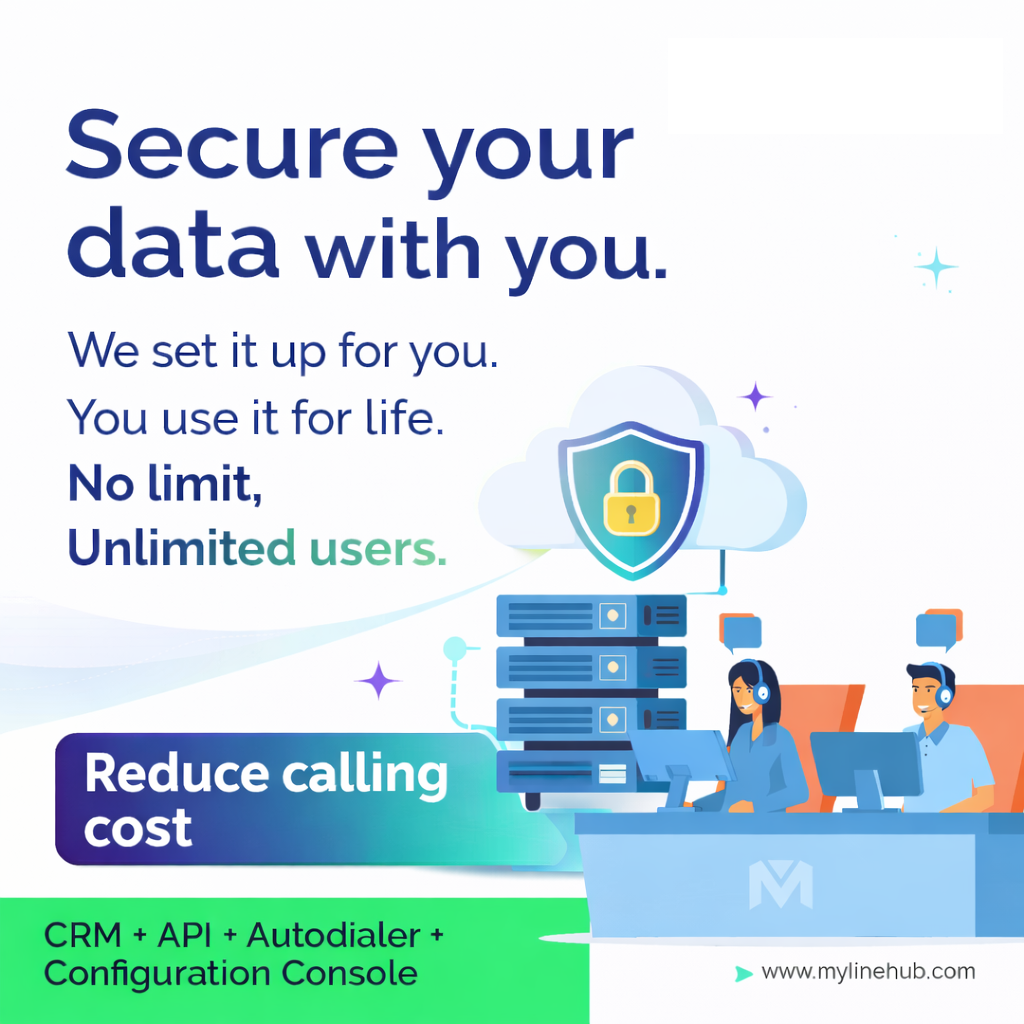
A premium open-source platform matters because it can support:
- stronger control over business data
- reduced long-term vendor dependency
- on-premise or controlled-infrastructure deployments
- deeper customization when needed
- operational maturity without per-seat lock-in pressure
This is especially important for sensitive industries, larger teams, and businesses planning long-term scaling. As the organization grows, the communication platform stops being a simple tool and becomes part of core business infrastructure.
📈 Marketing attribution and call conversion tracking improve decision-making
Telecom should not remain disconnected from marketing. If calls are generated from campaigns, management should be able to understand what led to those calls and what happened after.
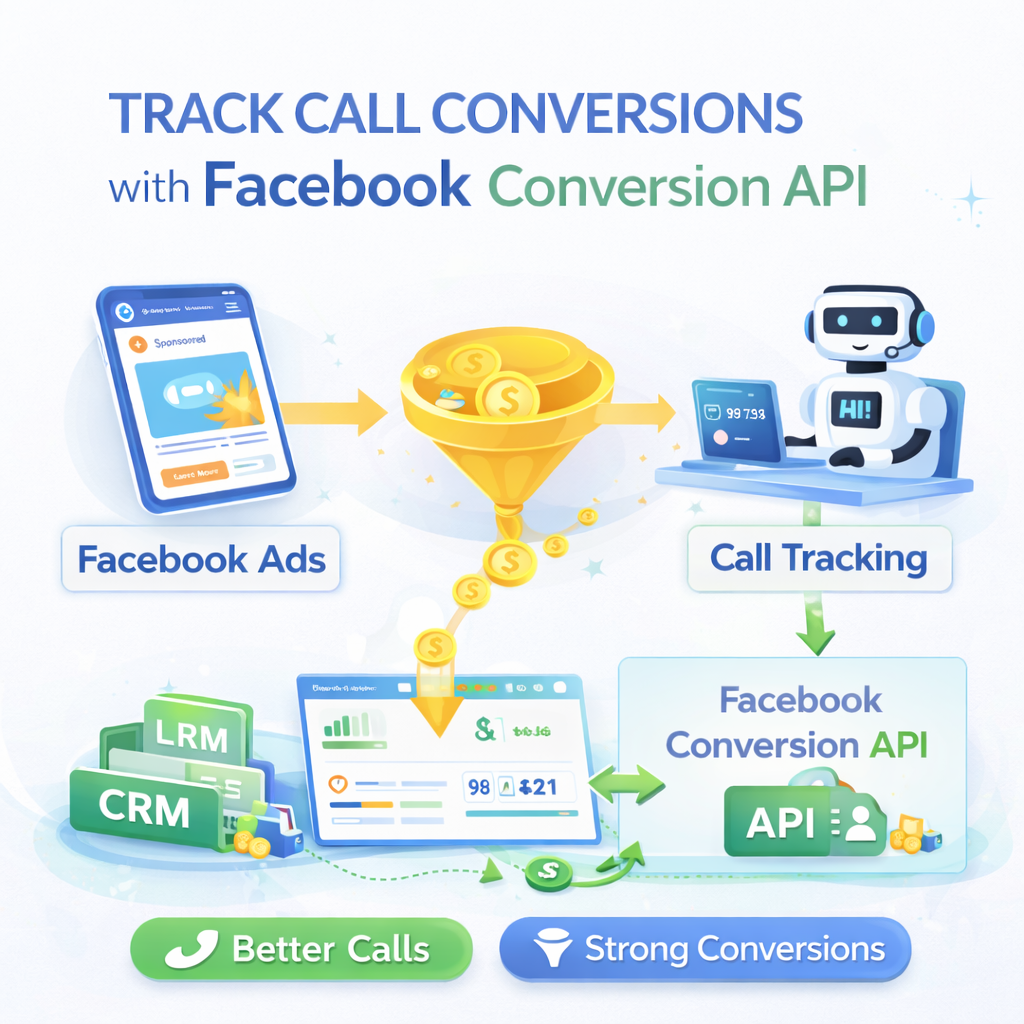
With better tracking, businesses can answer questions like:
- which ad source is producing better leads
- which campaigns are generating actual conversations
- what happens after the first call
- where follow-up performance is weak
- whether budget is being spent on the right channel
This turns calling from a blind operational activity into a measurable business process. Once the business can connect ad spend, lead generation, calling effort, and conversion quality, decisions become much more intelligent.
🏢 Which businesses benefit most from this kind of platform?
This kind of premium open-source autodialer + CRM + omnichannel platform fits especially well for:
- education and coaching businesses handling large enquiry volumes
- real estate teams managing call + WhatsApp follow-up
- loan, insurance, and finance teams needing structured outreach
- support teams managing inbound and outbound communication together
- healthcare and appointment-driven operations
- agencies and startups wanting communication built into their own workflow
It works best in businesses where communication is not a one-time action, but a repeatable operating process involving leads, follow-ups, teams, and measurable outcomes.
✅ Conclusion
A premium open-source autodialer should not be evaluated only by how it places calls. The real value comes from how well it connects business communication across calling, CRM, WhatsApp, email, AI-assisted workflows, multi-user operations, reporting, and data control.
That is what makes a system like this different from a basic dialer. It becomes a practical omnichannel business communication platform that can grow with the organization.
Want to see API-driven CRM + Telecom workflows in action? Try the WhatsApp bot or explore the demos.
Comments (0)
Be the first to comment.