Why MYLO Should Not Retry a Customer Because an Agent Failed
MYLO should not retry a customer merely because the agent side of a two-leg call failed. If the customer answered, the customer has already experienced the campaign contact.
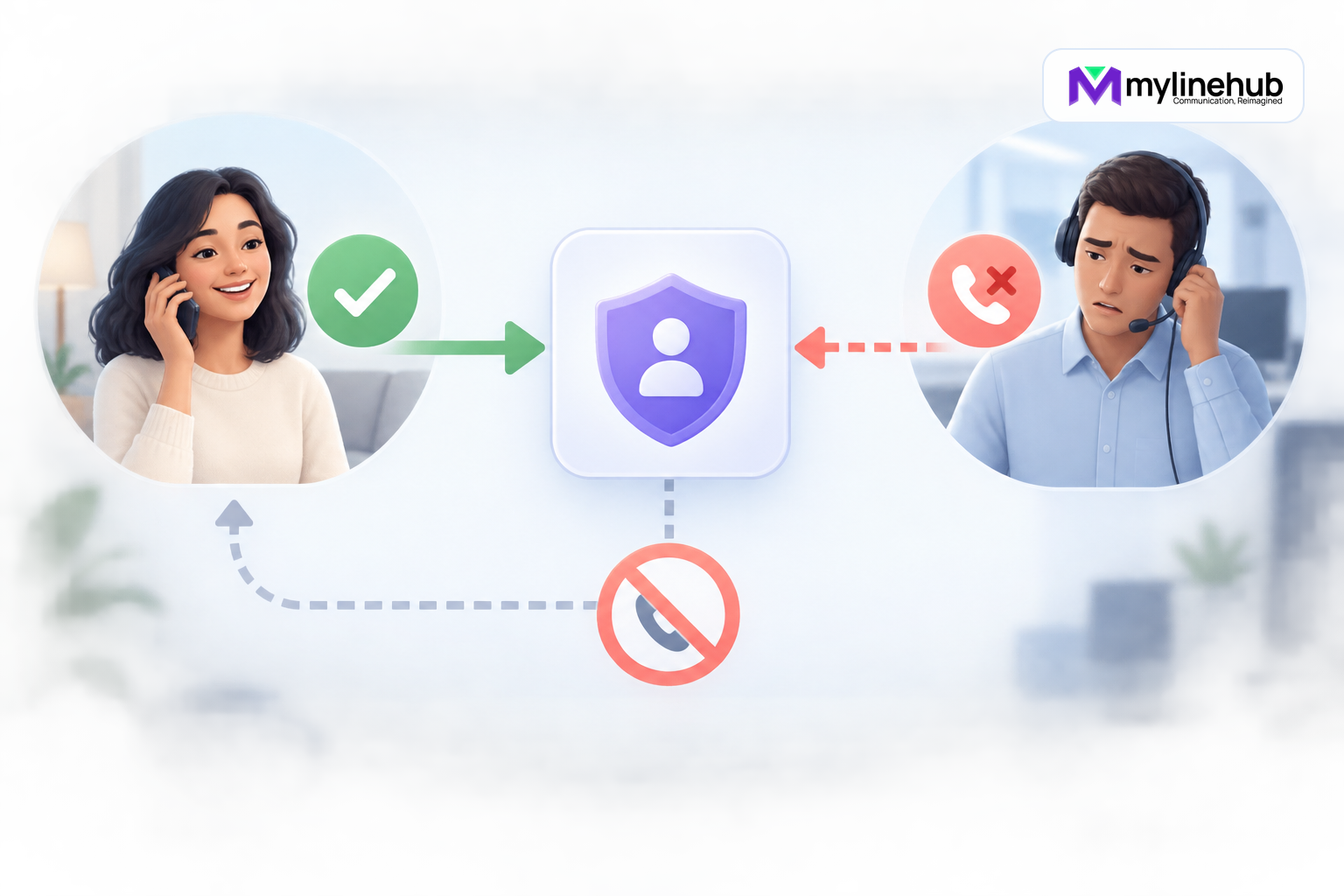
MYLO should not retry a customer merely because the agent side of a two-leg call failed. If the customer answered, the customer has already experienced the campaign contact. A missing agent, rejected extension, unreachable mobile, or broken second leg is an operational failure, not a customer no-answer. Treating it as customer retry eligibility risks calling the person again for a problem the business caused.
Two Legs Need Two Separate Outcomes
A connected human campaign normally contains a first call leg and a second destination. In customer-phone-to-agent-mobile and customer-phone-to-agent-extension flows, the customer is called first. Once the customer answers, MYLO originates the approved agent leg. The complete conversation exists only when the second destination answers and Asterisk bridges the legs.
That sequence can produce several distinct results: customer no answer, customer busy, customer answered but agent mobile failed, customer answered but agent extension failed, both legs answered and connected, or a connected call ended. A single generic “failed” label destroys the information required for safe retry decisions.
Customer Protection Is the Primary Reason
A customer who answered may have heard an announcement, silence, ringing while the system sought an agent, or an apology path. Calling again automatically can look like harassment, create confusion, and amplify an internal fault. It may also consume provider capacity and obscure the scale of the agent problem.
Leg-aware classification makes the customer experience visible. The record should state that the customer answered and that the second leg did not connect. The campaign should not spend the optional customer-no-answer retry on that record. Any later contact must be an authorised operational follow-up with context, not an automatic rewrite of history.
Agent-First Flows Prevent the Customer Call
In agent-extension-to-customer-phone and agent-mobile-to-customer-phone flows, MYLO contacts the agent first. Only after the agent leg answers and is ready does deterministic execution originate the customer call. If the agent extension is offline or the mobile call is rejected, the customer leg should never start.
The scheduler records the agent-side result and moves according to operational policy. The supervisor can restore the endpoint, correct the mobile destination, adjust availability, or reassign work. There is no customer attempt to retry because the customer was never called.
Diagnose the Agent Failure
An agent-side failure may come from an unavailable extension, rejected mobile call, insufficient channels, provider error, invalid destination, endpoint registration problem, permissions, or an answer-detection condition. Use timestamps and controlled Asterisk, provider, endpoint, and campaign evidence to locate the responsible layer.
Pause new work if the failure repeats. Repeatedly calling customers while the agent path remains broken creates predictable harm. Correct the cause and run a representative functional test that proves the full two-leg connection and two-way audio before resuming broader work.
Operational Follow-Up Is Different From Automatic Retry
The business may decide that a customer who answered but did not reach an agent deserves an apology or follow-up. That is a business process requiring an approved message, an authorised person, appropriate timing, and current consent and preference checks. It should reference the real event and avoid pretending the first call never happened.
Keep that follow-up separate in reporting. Supervisors need to see both the original second-leg failure and the outcome of any authorised recovery. This helps measure customer impact and agent-path reliability without inflating no-answer statistics.
Protect the Answered Customer During Second-Leg Setup
The customer experience between first-leg answer and agent connection needs an approved design. The person may hear a brief announcement, controlled audio, or another defined treatment while the second leg is created. Silence of unknown length encourages hang-up and makes a repeated call especially confusing. Set a bounded connection interval and a safe message for the case where the agent never answers.
The final customer-side treatment should acknowledge that connection did not complete without making promises the business cannot meet. It may provide an official inbound number or state that the organisation could not connect the call. It should not keep the customer waiting while the system cycles through unlimited agents or mobiles.
Supervisors should measure customer-answered/agent-failed outcomes separately by agent destination, endpoint type, provider, and time. A rising rate is an operational alert. Remove an unreliable destination from available capacity, verify registration or mobile reachability, and run a controlled two-leg test before returning it to service.
This distinction also improves reporting fairness. Agents should not be credited with a connection they never received, and customers should not be labelled unreachable after answering. Accurate leg events give operations a truthful basis for recovery and prevent automated retry rules from acting on the wrong party.
Use the Right Supervisory Alert
Configure operational review around the agent-side condition, not around another customer attempt. The alert should identify the campaign, flow, agent destination, timestamp, provider or endpoint evidence, and number of affected calls while restricting customer details to authorised roles. Supervisors can then pause the affected lane or campaign, remove unavailable capacity, and assign diagnosis.
Recovery is complete only after an authorised test proves agent readiness, customer connection, bridging, and two-way audio. Clearing an alert or seeing an endpoint register is useful evidence, but neither proves the original two-leg path.
Leg-Aware Failure Checklist
- Record customer and agent leg results separately.
- Never mark an answered customer leg as customer no answer.
- Do not originate the customer leg when an agent-first leg fails.
- Pause repeated agent-path failures and diagnose the authoritative layer.
- Require a full functional retest before resuming.
- Treat any customer recovery contact as a separately authorised process.
Do Not Redial a Customer for an Internal Agent Failure
If the customer has already answered and the later agent leg fails, MYLO must not retry the customer merely because the agent was unavailable or failed to connect. That protects the recipient from repeated calls caused by the business’s own staffing or endpoint problem. Retry eligibility belongs to the customer-leg outcome, not to a wish to repair the failed agent leg.
Continue planning
Continue with Five Ways MYLO Connects Agents and Customers; What Happens When a Customer Does Not Answer?; How Pause and Resume Work in a MYLO Campaign. For deeper implementation context, use MyLineHub technical architecture guidance.
For a requirement outside the prepared MYLO scope, discuss the exact outcome with MyLineHub.
Want to see API-driven CRM + Telecom workflows in action? Try the WhatsApp bot or explore the demos.
Comments (0)
Be the first to comment.